
I got a message saying – ‘if you can get here in time you can have the ticket’.
So there I was legging it through the rain to get to BFI Southbank in Central London in the hopes of seeing the one and only Laura Dern. I didn’t care how stupid I looked (I’m one of those people who looks ridiculous doing most physical activity) I ran and I ran. Nearly got run over at one point, nearly slipped over – at one point nearly knocked over a guy selling gyros (feel slightly more guilty about that.) All I knew is that I probably wasn’t going to make it,
It was only when I was actually there, sat in the red seats of the cinema next, dripping rainwater onto the person next to me, that I knew I was on time. Que sigh of relief.
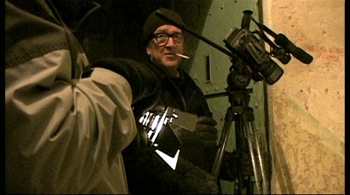
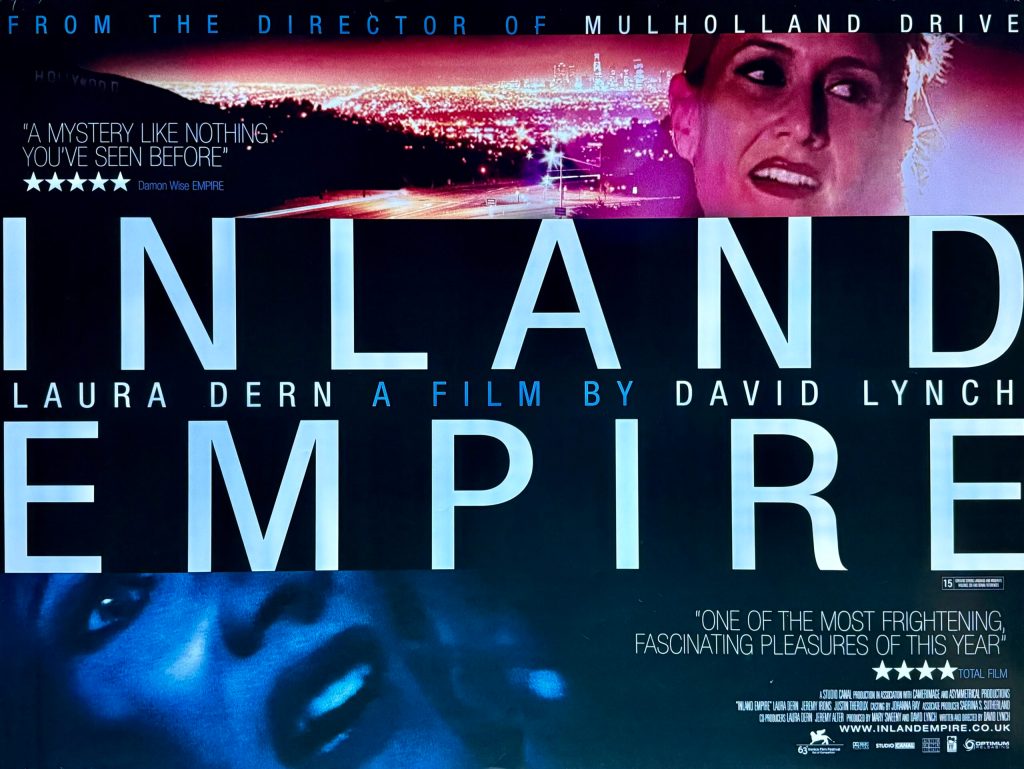
Someone I very vaguely know happened to remember me mentioning in conversation how much I wanted to see the BFI showing of David Lynch’s ‘Inland Empire’ on the date of what would have been his 80th birthday, as part of their January showcase with screenings of Lynch’s films and events to explore his incredible legacy. Before I knew it Laura Dern walked down and gave her introduction, retelling stories of the film, her experiences and her relationship with Lynch. It was her description of the experience of doing this specific film, which made me think. Being one of my favourite films, I was surprisingly shook listening to her talk about it whole heartedly, passionately as this journey of self discovery as an actor.
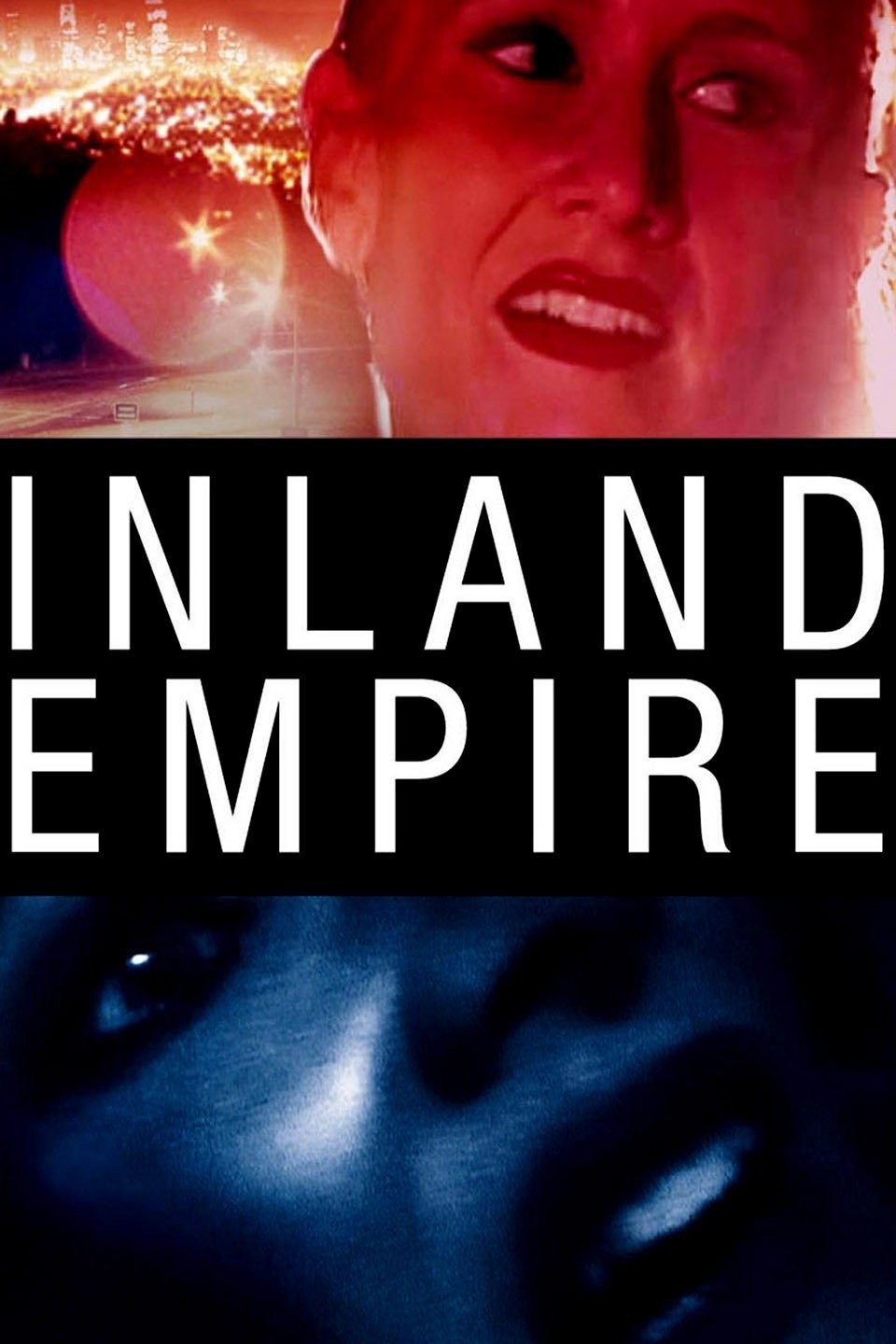
For context, Inland Empire is abstract. Like hard abstract. I never actively recommend it to people because it’s so specific to your taste. I watched it for the first time years ago at 1am when I was feeling particularly disassociated. Now this film is like an anchor for me, a deeply personal experience that I tend not to share with others. I was surprised to hear someone else in front of me speaking so passionately. Many people discount it as ‘‘indulgent” and an exercise in ‘‘self obsessed filmmaking with no consideration for an audience’‘ (Vanity Fair 2011, Cine-dom 2009.) So it always feels like a hard film to defend. But why do I need to defend it?
Because it calls into question the very purpose of art-making. Is it possible to be faithful to abstract inspirations as an artist, while simultaneously being ‘grounded’? What is it to make art that, not only doesn’t fit the norm, but seems to exist exclusively for the interests of the artist?
The question is always lingering. How on Earth is it possible to objectively evaluate creativity? Whatever cultural canon we craft for ourselves, it’s a canon that will always be relativistic to our tastes, which in turn are both personal and social. In a recent survey by BFI, 62% of people in the UK (who participated) say they probably wouldn’t watch a film if it had subtitles.
That’s mad. Surely?
Well maybe there are reasons, and ultimately I can’t tell people what to watch in their free time. I can’t define people’s personal aesthetics. But it really does call into question how we do the opposite – how do we qualify ourselves to articulate value?
Well usually it’s either through having it be your job – or just by being someone who watches a hell of a lot of films. It’s also by being someone who watches certain types of films. We’ve discussed this before in one of our Mic’d Up articles about this question lingering in the background and what we consider ‘genius’. What we get are conversations underpinned by an unseen set of credentials i.e. if your Letterboxd profile matches the ‘canon’.
So it works both ways. If you are someone who enjoys ‘worthy’ cinema then you’re somehow more of a specialist. It doesn’t feel fair this way around either, for any art form. You’re only qualified to broadcast the template for taste if you go to exclusive galleries, invite-only gigs , watch 9 hour long documentaries about socialist China or say your favourite film director is Fellini or Bresson.
Or indeed, if you say your favourite film is ‘Inland Empire’.
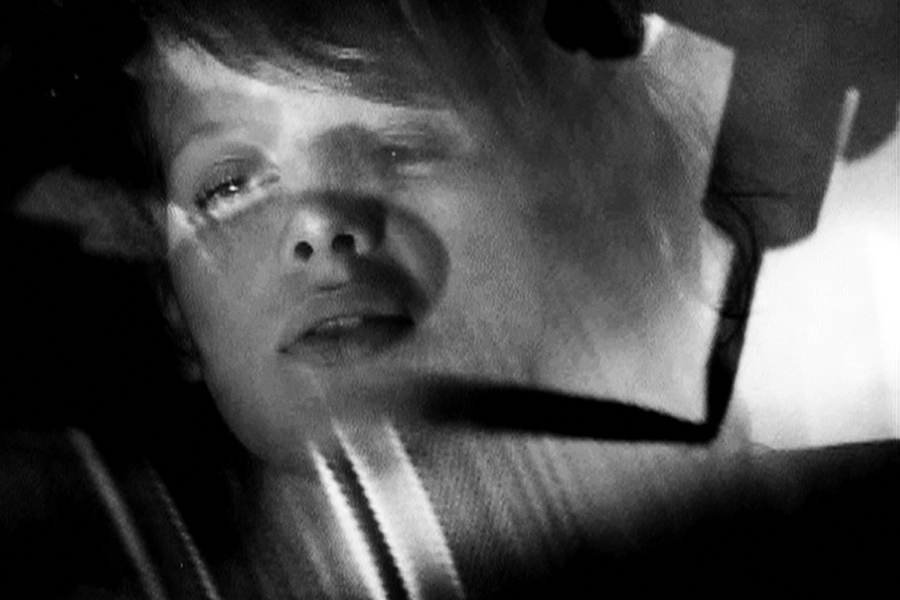
This film is the best example I know of what the whole discussion – is this near 3 hour long journey a portrait of the human soul and an incredible example of a filmmakers distinct style – or is it indulgence? Is it an experiment and nothing more?
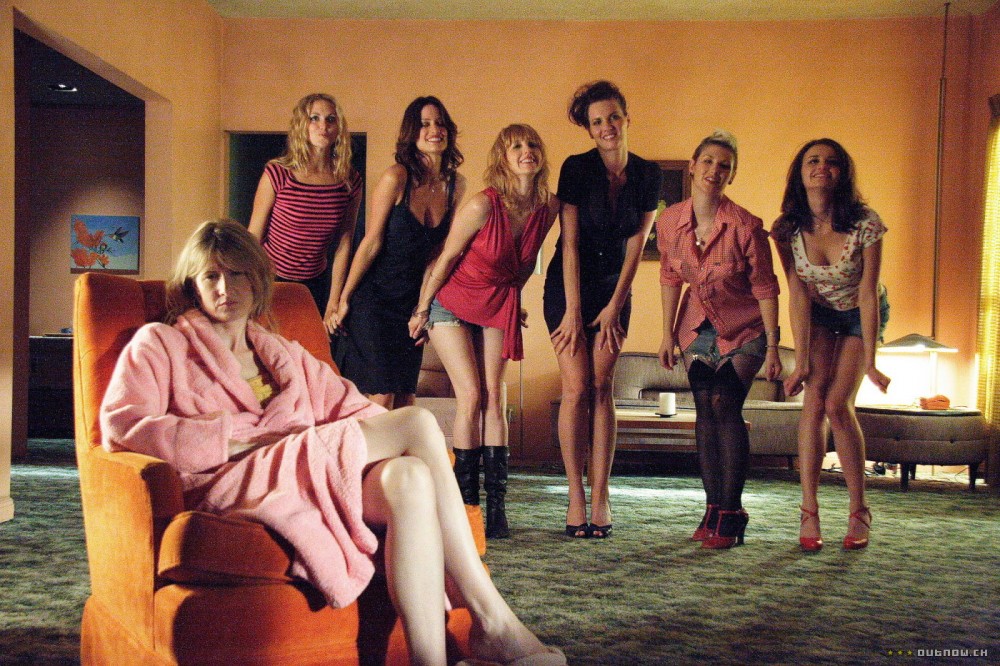
Inland Empire tells the story of a ‘woman in trouble’. An actor finds themselves in a maze of visions and parallel worlds after receiving a role in a new Hollywood film (very Lynch as per) and being tempted into an adulterous relationship. The film takes us through Polish folktales, a murder that happened 50 years ago and the surrealism of Hollywood to take us on an introspective trip into the centre of a woman’s very soul.
Like all of Lynch’s films, there are details that make up what some consider to be a plot. There’s a code in Inland Empire – a series of events which define the characters, and the events that happen to our protagonist Nicki Grace. Because the film very much does just happen to her – just as it happens to us as viewers. She’s transported from world to world, each one taking the same characters and showing them in different context. The film is like a series of dreams that feel unconnected but are technically related. There is a code that unlocks this film to a degree.
The key here is ‘technically’. Can we really celebrate art that demands us to decode it? We don’t all have the time and privilege to do that, hence why art like this is so often discounted. This isn’t an article trying to decode the film though – this is me trying to work out whether I can defend this style of creativity.
I would be hypocritical if I said it doesn’t matter. A huge part of St Ghosty is discussing art and promoting others to discuss creativity. I enjoy it – I love seeing something or experiencing something and then chatting about it with others.
The subsequent right of having a creative industry, is the media created as a result of it – and while some of that media is unquestionably problematic, its existence is nonetheless essential for an industry. But likewise it’s not really about defending or justifying everything either. The be all and end all for so much of Lynch’s work is that it’s never about ‘not getting it’.
I hate people saying that others ‘don’t get’ something. It’s patronising, reductive and people doing this are ultimately the reason why abstract and experimental work so often is discounted as pretentious. It’s such a shame, considering that abstract work crosses so many genres, and offers accessible and and fluid creative processes for artists and audiences alike. Creativity is fundamentally experimentation, but the unfortunate side-lining of anything that is overtly experimental, playful even, in its art means that we are left with a divisive and ‘absolute’ quality to this discussion. That’s never good.
So what’s actually happening is that I’m being sensitive. I feel like I have to defend work like this because of how blunt these discussions have become. Creativity is multifaceted and contextual, and one of the joys of interacting with it is meeting people who disagree on their opinions. Inland Empire is one of my favourite films, but I have no problem with anyone who hates it. I get it. It’s weird and long and doesn’t focus on dialogue and drama. It focuses on transcendence and vision – and I don’t say that in any sense of superiority, I mean it quite literally in the sense of abstractness.
Opinions on creativity should never be a contest. What matters is the engagement with different kinds of art. The discussion and the opinions can only be really genuinely articulated in healthy and considerate manners when we’re open enough to new work. I’m not demanding that everyone go and watch a Lynch film, and I know full well that we all get in from work at 7pm and don’t really have time to squeeze in a quick experimental journey to the soul in between making dinner or taking care of literal children.
However, taking risks to expand your context is one of the most important things you can do. Your sense of self comes from both the known and the unknown, and as uncomfortable as expansion can be, it helps to inform you and how you see the world. Art defines so many of our opinions, and when something has the power to change our language, our thoughts, our hearts and our lives, then it seems all the more important to seek out something different every now and then, if only to say with confidence that it wasn’t really for you. If our art is a reflection of our cultural landscape, then it seems like a worthwhile thing to do when you can.
The last thing Laura Dern asked was who in the audience had never seen the film before, probably expecting one or two hesitant hands. Instead about three quarters of the audience put their hands up. Visibly shocked, she pleaded with us all to ‘remember how I look now’. People laughed. It was a wholesome moment, especially considering that buzz and chatter afterwards as all the pubs nearby filled up with people talking about films.
I suppose the only answer I can definitively come up with is – that was my favourite moment.


 stghostycreative.co.uk
Leave a comment