

There may be reasons why accessibility is lacking in the creative sectors, but there’s no excuse.
It seems difficult to stand in front of members of the public, creative or not, and convince them that art exists for all of us when it quite evidently doesn’t. Accessibility is always intersectional, with complex histories and contexts but always a simple answer. To pay attention, commit and change through space, time and financial backing.
This exclusion not only marginalises talented artists but also deprives the broader community of diverse perspectives. It’s not only a basic right for disabled artists and audiences, but has been shown in countless case studies to improve the output of the industry in scale, scope and profit. The commonly referred to ‘golden age’ of disabled artists through the 1980s up until the Disability rights legislation in 1995 (for the UK at least) proved what many already knew – that being disabled artists are a vital part of creative infrastructure, and that the very need to define them as disabled was both a matter of personal identity, but more so a deeply political issue radiated top-down from government authority in the arts.
There’s a common model-based explanation of social barriers, that being that disability exists because our social services, public provision and cultural models refuse to adapt. The external creates disability as an ‘issue’ to be dealt with.
What you’ll most often find is that creative organisations making initial investigations into accessibility, are still essentially treating disability as a problem. It isn’t. There is no ‘it’.
Over time we’ve been fortunate enough to work with artists and companies specialising in accessibility, who have helped us understand our own failings, as well as direct us towards the practical developments for change through creative accessibility audits via funding from Arts Council England. We’d like to share some of that for any of you who are planning your own events in arts and creative sectors, at whatever level. While a brief summary leading to further learning, we hope you’ll find value from holding your own practise accountable by these methods as we’ve done – for the benefit of your artistic partners and audiences.
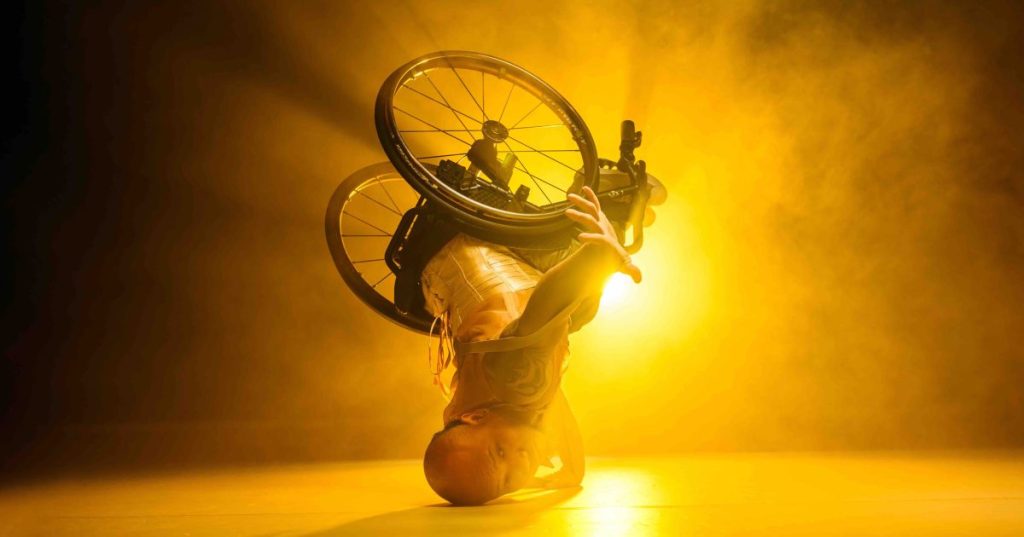
So let’s zone in. A great starting point is a landmark 2022 survey by Creative Access, notable for its large scope across Europe and the US during the COVID-19 Pandemic, revealed:
- Only 25% of disabled artists felt they had access to the necessary contacts and networks to advance their careers, compared to 62% of non-disabled respondents.
- 88% employees in creative organisations identified the primary obstacles as employers’ lack of understanding regarding ‘reasonable adjustments’ and colleagues’ awareness of disability issues.
- Many disabled creatives chose not to disclose their disabilities to potential or current employers due to fear of discrimination. While this was derived from narrative based data, it still came through as a dramatically repeated theme.
A different stage of that same study, solely focusing across 28 European countries, highlighted that 52% of arts professionals rated their knowledge of work by disabled artists as poor or very poor, indicating a significant gap in awareness and inclusion within the sector.
Leading by Disability
Inclusive environments empower artists with disabilities to express themselves authentically and enrich the cultural landscape. While achieving this is the responsibility of all members of that industry, having a practical outcome with a tangible benefit for disabled creatives is vital.
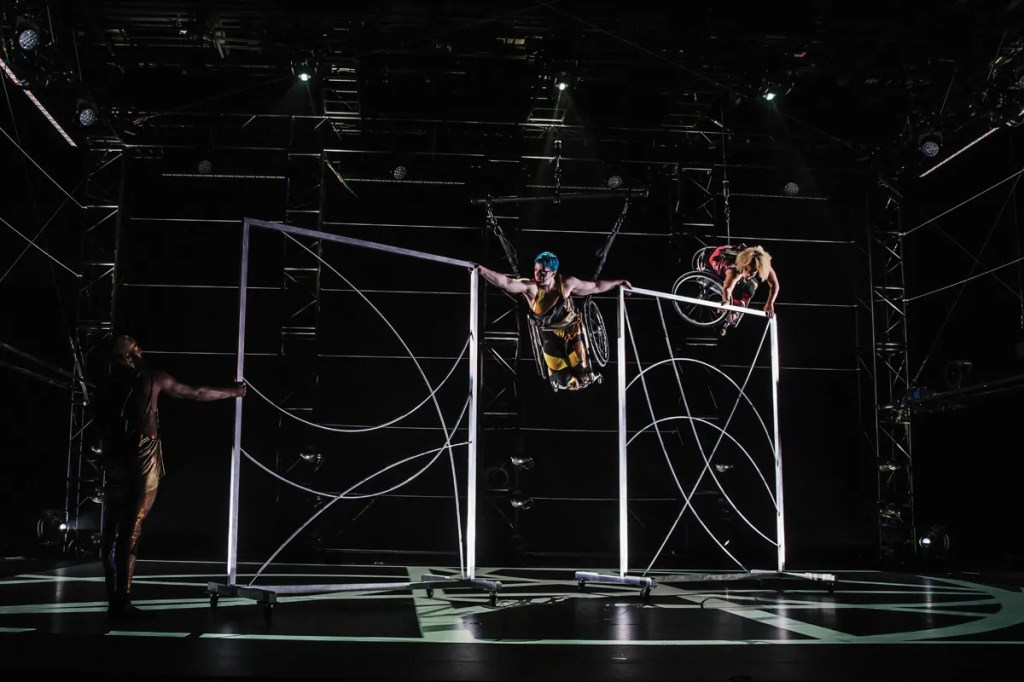
Examples are too numerous to name, but particular ones for us include Gradient Co’s Vertigo Audio Horror gallery (White Bear, 2024) who created a sumptuous audio space, combining stimuli of each sense that, through it’s design, provided experience for all audience members, In a literal sense, it removes the very potential for ableism by adjusting a space itself. Likewise Stopgap Dance Company’s 2023 production “Lived Fiction” showcases the beauty of diversity in dance, featuring artists who are deaf, disabled, neuro-divergent, and non-disabled. The performance seamlessly integrates various communication methods, offering audiences a profound experience of inclusivity.
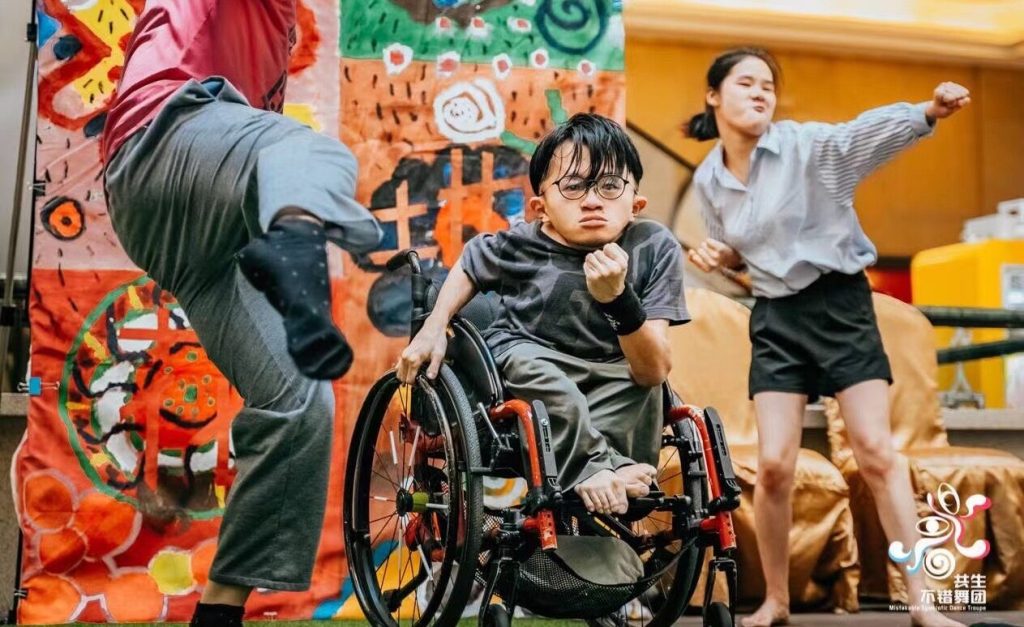
Further afield, you have countless companies across the world highlighting the raw talent of their disabled performers. A particular favourite of mine is the Chinese performance company ‘Symbiotic’, who since 2018 have expanded from their home province of Guangzhou to the capital of Beijing, touring across the country and working with more than 150 different performers. Their director and choreographer Liu Shiwen spoke on their impact, saying the below of skeptical audiences:
“(audiences) feel that we don’t have any social value, that we are lazy and useless. But then, when we dance, they are moved, and realise we are powerful and hopeful.”
If skepticism tells you that commercial arms of our theatres and galleries won’t see accessibility as a viable investment, then the last 45 years of disabled creativity proves that wrong. Ensuring accessibility in the arts enriches the cultural landscape by fostering diversity and innovation, and requires sustainable commitment to achieve. You’ll usually hear organisations talk about time and space in support of diversity, you’ll rarely hear them talk about committing money to it.
The result is establishing a new normal, a focus on celebrating disability rather than seeing it as an inconvenience.
Strategy and Action
Effective strategy and policy for accessibility results in enhanced Innovation, Broadened Audience Engagement and the Promotion of Social Equity. Accessible public art can improve quality of life and advance equity by offering critical benefits to residents, such as enhanced public safety and well-being. So, making accessibility a core element for the inception of individual projects, it helps to work backwards from these aims to know what to consider at first.
There’s multiple things you can think about here, and each one can be vital if you’re planning your own event in arts and culture based themes.
- Consultation and Involvement: Engage individuals with disabilities in the planning and decision-making processes to ensure their perspectives are considered. This approach addresses specific needs and promotes a sense of ownership and belonging.
- Accessible Communication: Use clear, jargon-free language in promotional materials. Provide multiple contact methods, including email and text, to accommodate various preferences.
- Physical Accessibility: Ensure venues are wheelchair accessible, equipped with appropriate signage, and have facilities like ramps and accessible restrooms.
- Sensory Considerations: Offer quiet rooms at events to accommodate individuals who may need a break from sensory stimulation.
- Training and Awareness: Provide disability awareness training for staff and volunteers to foster an inclusive environment and improve interactions with disabled attendees. Please make this specific – there’s nothing worse than general corporate training for companies where half of what the training centers on isn’t relevant.
- Flexible Participation Options: Offer virtual attendance options or recorded sessions for those who cannot attend in person, ensuring broader accessibility.
By implementing these strategies, creative organisations can create more inclusive environments that welcome and celebrate the contributions of artists with disabilities, enriching the cultural fabric for all. What is vital is remaining open, and actively seeking advice and accessibility audits for what you do.
Accessibility can’t be an afterthought, is has to be at the heart of your programming and planning from the beginning. Take a look, hold yourself accountable – and actively make positive change through direct action.
Further Guidance…
For those planning events, the following organisations provide tangible valuable resources to ensure accessibility:
- Attendable: Specialises in accessible event consultancy, offering private consultations to discuss and enhance event accessibility. attendable.co.uk
- Shaping Our Lives: Provides top tips and an accessibility checklist for organising inclusive events, including hybrid conferences. shapingourlives.org.uk
- Scope: Offers guidance on checking the accessibility of venues and events, helping organisers make informed decisions to accommodate all attendees. scope.org.uk
- Social Care Institute for Excellence (SCIE): Provides comprehensive guidelines on making events accessible, covering aspects from planning to execution. scie.org.uk
- University of Oxford’s Communications Hub: Offers guidance for planning and organising accessible events, emphasising the responsibility of event organisers to remove barriers. communications.admin.ox.ac.uk
(creativeaccess.org.uk, artsprofessional.co.uk, microassist.com, housingmatters.urban.org)


 stghostycreative.co.uk
Leave a comment